- I am a teenager with gynecomastia. Should I do anything?
- In most cases, wait. Pubertal gynecomastia is common and a majority of cases resolve without treatment within about two years of appearing. Surgery in adolescence is generally reserved for severe, persistent or distress-heavy cases, precisely because so many resolve on their own.
- It has been years and it is still there. Will it still shrink?
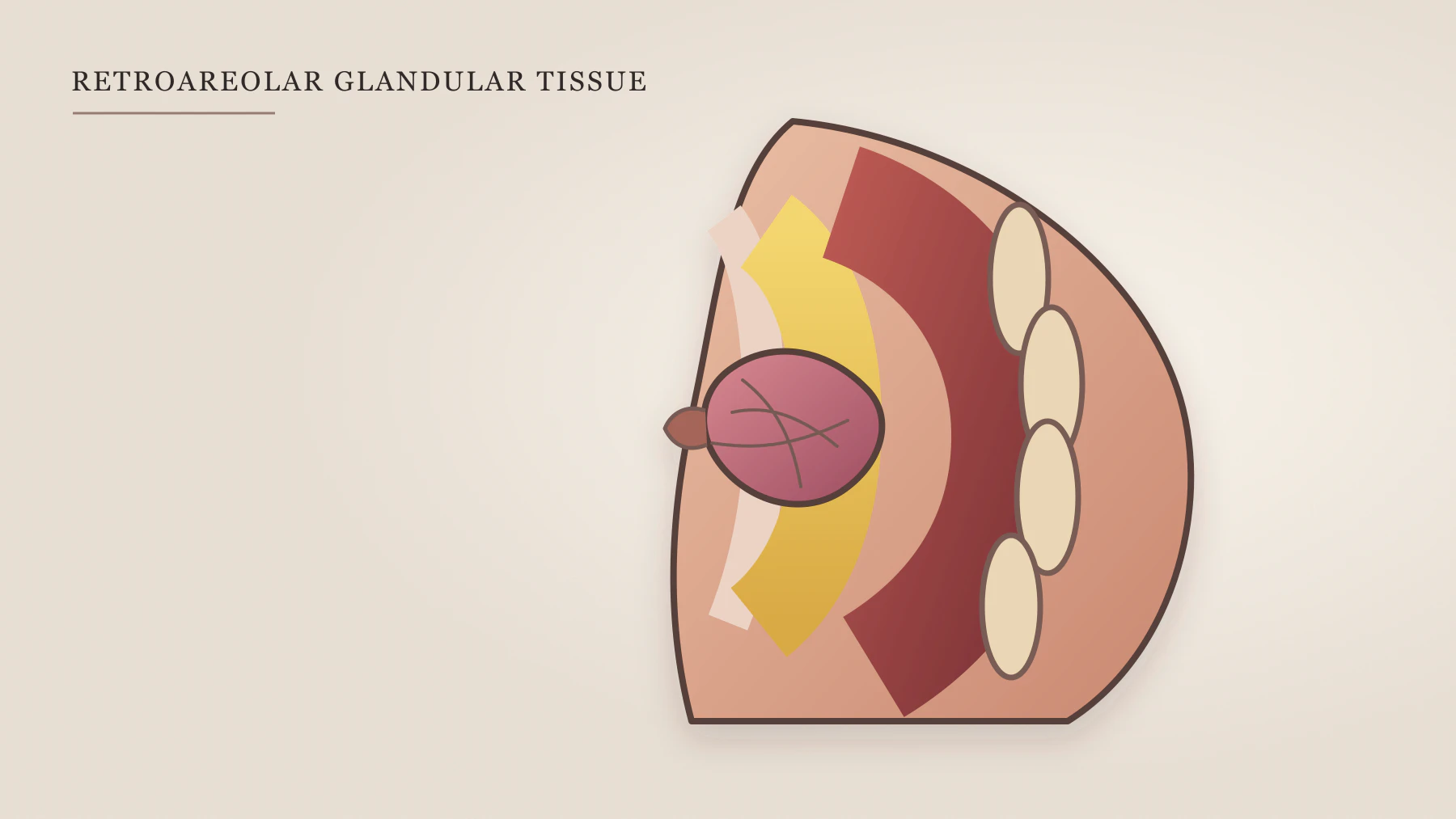
- Established glandular tissue that has persisted past roughly two years does not reliably shrink on its own, and adult-onset gynecomastia should be checked rather than waited out, because in adults it more often has an identifiable cause worth finding.
- Is there a pill that removes it?
- No medication reliably reverses established glandular tissue. Drugs used around hormone-sensitive tissue have shown effects mainly in early, recent-onset cases and are not a standard fix. What medication genuinely can do is stop ongoing growth by treating an active cause: a hormonal imbalance, or a drug that triggered it.
- So when is surgery the answer?
- When the tissue is established, the cause has been checked and handled, and the chest still bothers you. Surgery is the only reliable way to remove gland that has stopped being reversible, and it is elective: the timing belongs to you, not to a sales calendar. What the operation involves by grade is at /conditions/gynecomastia/grades/.